She Checked Herself In So the Rest of Us Could Get Out: The Young Reporter Who Used Her Own Mind as a Weapon
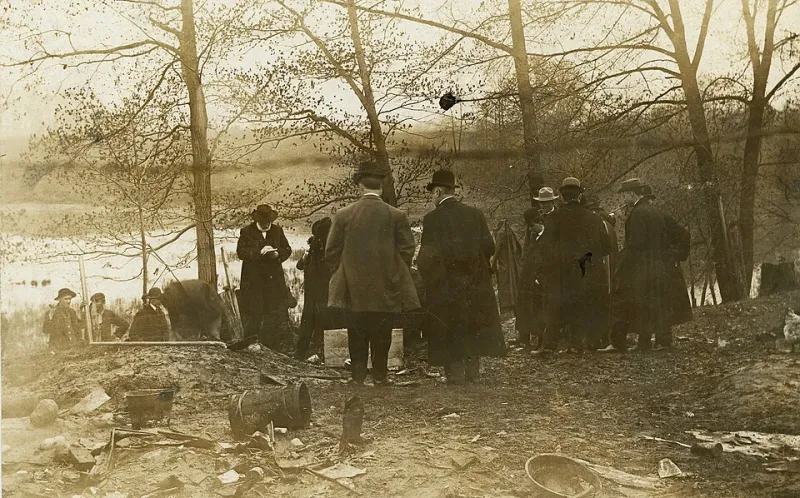
Photo: Steve Shook from Moscow, Idaho, USA, CC BY 2.0, via Wikimedia Commons
The Assignment Nobody Wanted
In the fall of 1887, a young woman walked into the offices of Joseph Pulitzer's New York World with a proposal that was either visionary or completely insane. She wanted to get herself committed to Blackwell's Island — the psychiatric asylum on a strip of land in the East River where thousands of women had disappeared into a system that asked no questions and offered no exits — and then write about what she found.
 Photo: New York World, via a57.foxsports.com
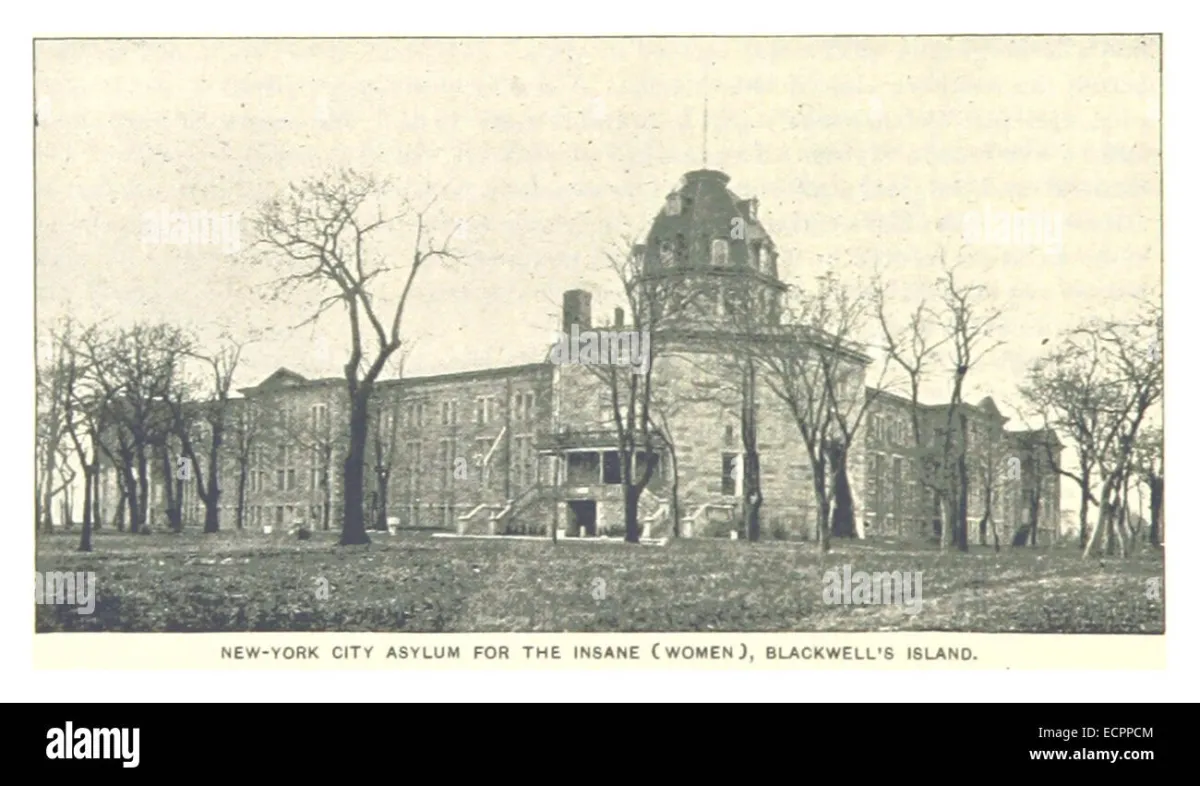 Photo: Blackwell's Island, via c8.alamy.com
She was twenty-three years old. She had no medical credentials, no institutional backing, no guarantee that she would actually be released once she got in. She had no connections in New York's legal or political establishment. What she had was a name — Nellie Bly, a pen name she'd adopted from a Stephen Foster song — and a certainty that the story inside those walls was worth whatever it cost to get it.
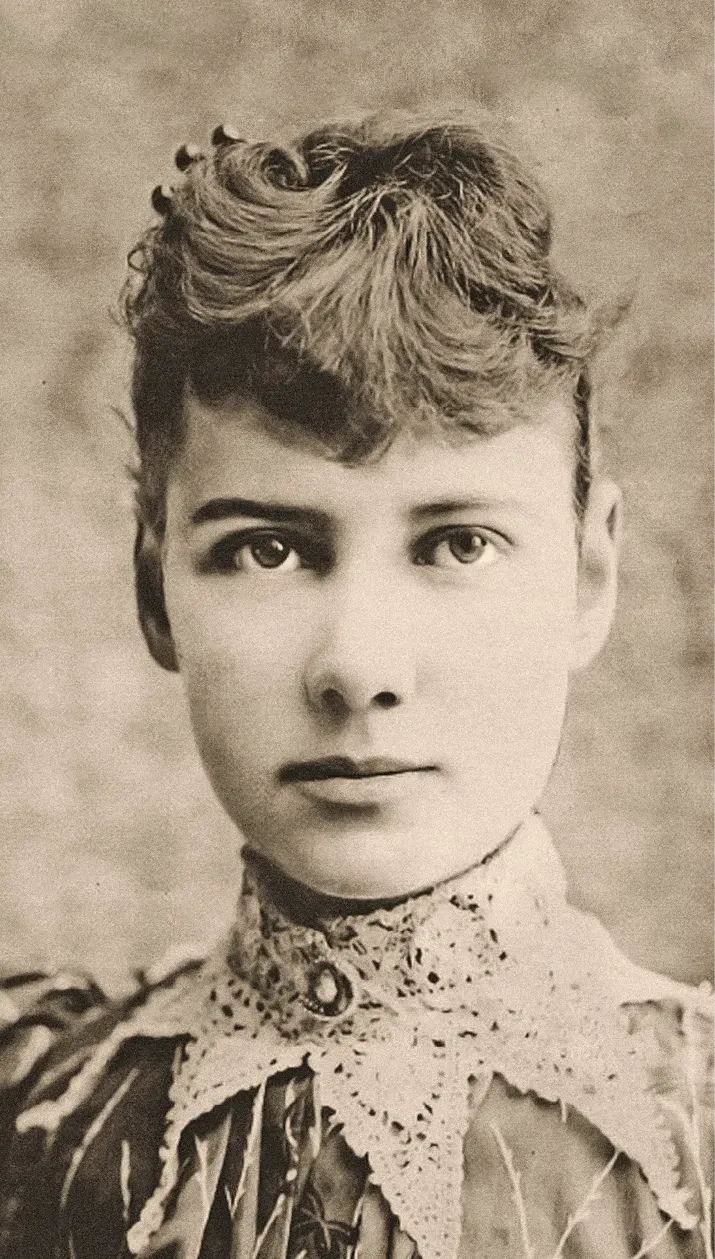 Photo: Nellie Bly, via assets.lls.fr
The editors were skeptical. They were also, eventually, convinced.
What happened next is one of the most remarkable acts of journalism in American history. But the headline doesn't capture it. The headline never does.
A Girl From Pennsylvania With Nothing to Fall Back On
Elizabeth Jane Cochran — Nellie Bly's actual name — grew up in western Pennsylvania in a family that had known both comfort and collapse. Her father died when she was six, leaving the family financially exposed in the way that 19th-century widowhood tended to produce: suddenly, completely, with no safety net in sight.
She tried to enroll in a teaching program and ran out of money. She moved to Pittsburgh. She read a newspaper column that dismissed women as fit only for domestic work, wrote an incensed letter to the editor, and was immediately offered a job. That's how she became a journalist — not through any formal pathway, but through the force of her own irritation.
In Pittsburgh, she covered factory conditions, poverty, and the lives of working-class women. She was good at it. She was also boxed in — editors kept assigning her to the society pages, the flower shows, the stories they'd decided were appropriate for a woman. She left for New York with almost no money and no contacts, spent months struggling to find work, and eventually landed at the World by pitching the most audacious story she could think of.
There was no safety net. There never had been. That fact had stopped being frightening somewhere along the way.
What It Actually Took
To get herself committed, Bly had to convince a series of medical professionals — people specifically trained to evaluate mental states — that she was genuinely disturbed. She practiced in front of mirrors. She studied the behaviors associated with the diagnosis she was seeking. She checked into a boarding house, began acting erratically, and waited.
The medical evaluations that followed were a revelation in themselves. Doctors who examined her — men with degrees and reputations and institutional authority — confirmed her performance as genuine psychosis based on nothing more than a brief interview and the fact that she was a young woman behaving strangely. One judge called her "a poor unfortunate girl" and committed her without meaningful inquiry.
She was inside Blackwell's Island within days.
What she found there was not what the institution's public image suggested. The asylum presented itself as a place of care and treatment. What Bly documented was a place of neglect, cruelty, and deliberate isolation. Women were left in cold baths for hours. They were denied adequate food and warm clothing. Staff responded to distress with indifference or violence. Women who had been committed for minor eccentricities — or simply because a husband or family member wanted them gone — sat alongside people in genuine crisis, with no meaningful distinction made between them.
Bly also discovered something that would become the most unsettling part of her reporting: once inside, sanity became nearly impossible to demonstrate. The system had no mechanism for re-evaluation. You were committed. That was the verdict. The only path out was through the very authorities who had put you there.
The Story That Changed Things
After ten days, the World's lawyers secured her release. Her account, published in two parts and later collected as a book called Ten Days in a Mad-House, caused an immediate sensation.
But more importantly, it caused an investigation. The New York City government launched a formal inquiry into conditions at Blackwell's Island. Funding for the asylum system was significantly increased. Reforms were implemented. The grand jury that reviewed the case credited Bly's reporting directly with producing changes the system had successfully resisted for decades.
The story had worked. Not because it was sensational — though it was — but because it was specific, documented, and impossible to dismiss. Bly had been there. She had eaten the food. She had sat in the cold. She had watched what happened to women who asked questions or complained. Nobody could call it speculation.
That was the point. That had always been the point.
Vulnerability as a Reporting Tool
There's a tendency to frame Bly's Blackwell's Island assignment as an act of bravery, which it was. But bravery is a word that sometimes flattens what it's trying to describe.
What Bly actually did was something more specific and more radical: she used her own vulnerability — her gender, her youth, her lack of institutional protection — as a journalistic instrument. The very things that made the system dismiss her as a credible threat were the things that allowed her to get inside it. She couldn't get the story any other way. So she became the story.
This is not a comfortable model. It requires a willingness to absorb real costs — physical, psychological, reputational — in service of something you believe matters. Bly did absorb them. The ten days inside Blackwell's Island were not comfortable. They were not a performance she could step out of whenever she wanted. They were real, and they left marks.
But they also produced something that no amount of official investigation had managed to produce: a firsthand account that the public could not look away from and that the authorities could not credibly deny.
What She Built From Nothing
Nellie Bly went on to a remarkable career — she would later set a world record by traveling around the globe in 72 days, beating Jules Verne's fictional Phileas Fogg. She covered the Eastern Front in World War I. She advocated for labor rights and women's suffrage. She was, by any measure, one of the most significant journalists of her era.
But the Blackwell's Island story is the one that captures something essential about who she was. A young woman from Pennsylvania with no connections and no fallback position who looked at a closed, self-protecting system and decided the only way through was to walk directly into it.
She didn't have credentials. She didn't have allies. She had a notebook, a conviction that the story was real, and a willingness to pay whatever the story cost.
From nowhere great. Into the middle of everything that mattered.
That's the whole story, really. That's always the whole story.