The Woman They Never Counted
In 1952, while American hospitals were celebrating their modern obstetric techniques and sophisticated equipment, Mary Coley was achieving something they couldn't: keeping babies alive in rural Georgia using nothing but instinct, experience, and a cloth bag of tools she'd made herself.
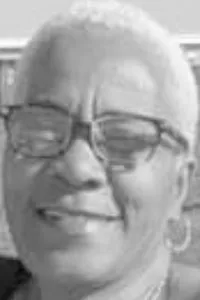 Photo: Mary Coley, via cdispatch.com
The medical establishment didn't know she existed. The state didn't track her outcomes. The hospitals that served wealthy white patients thirty miles away had never heard her name. But in the small Black communities scattered across Baker County, everyone knew: when Mary Coley delivered your baby, both mother and child came home alive.
 Photo: Baker County, via live.staticflickr.com
It would take fifty years for anyone to realize that this unschooled country woman had been quietly outperforming the entire American medical system.
Born to Catch
Mary Coley came into the world in 1900 in the same rural Georgia county where she would spend her entire life. Her grandmother had been a midwife during slavery, catching babies in plantation quarters with whatever supplies she could find. Her mother continued the tradition after emancipation, serving communities that had no other medical care.
Coley learned by watching, by listening, by feeling her way through complications that would have sent trained doctors reaching for textbooks. By the time she was twenty, she was already being called to births across Baker County, carrying her grandmother's knowledge and her own growing understanding of what worked and what didn't.
She never charged more than five dollars for a delivery — often accepting payment in vegetables or promises. Money wasn't the point. Keeping babies breathing was the point.
The Bag of Miracles
Coley's medical kit would have horrified any hospital administrator. Her instruments were homemade: scissors sharpened on whetstones, string boiled in her own kitchen, bottles sterilized over wood fires. She carried herbs that her grandmother had taught her to identify, teas that eased labor pains, and poultices that prevented infection.
But the real tools were invisible: an ability to read labor signs that doctors with decades of training couldn't see, hands that could feel exactly when and how to help a difficult birth, and a calm presence that kept mothers focused when everything went wrong.
Coley developed techniques that wouldn't appear in medical textbooks for decades. She positioned mothers in ways that made difficult deliveries easier. She recognized signs of distress that others missed. She knew when to intervene and, just as importantly, when to wait.
The Numbers Nobody Recorded
Over her fifty-year career, Coley delivered more than 3,000 babies. Her infant mortality rate was less than 2% — remarkable for any time period, extraordinary for rural Georgia in the mid-20th century. By comparison, the national average for hospitals was around 5%, and some rural areas saw rates as high as 15%.
But nobody was counting Coley's successes. The state health department didn't track births attended by unlicensed midwives. Medical journals didn't study techniques developed by unschooled Black women in rural counties. The knowledge that Coley had accumulated through decades of practice existed only in her memory and in the gratitude of families she'd served.
She was saving lives in statistical invisibility.
When Medicine Finally Noticed
In the 1970s, as part of a broader movement to document disappearing American traditions, filmmaker George Stoney heard rumors about an elderly midwife in Georgia who'd delivered thousands of babies without losing more than a handful. He drove to Baker County expecting to find a quaint story about folk medicine.
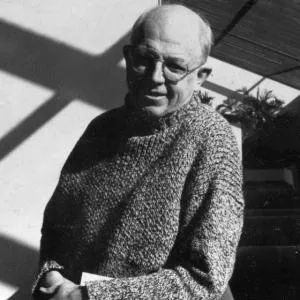 Photo: George Stoney, via www.nypl.org
What he found instead was a master practitioner whose success rates would have been impressive in any modern hospital. Coley, then in her seventies, was still taking calls, still catching babies, still achieving outcomes that defied explanation.
Stoney's documentary, "All My Babies," captured Coley at work and revealed something that shocked the medical community: this unschooled country woman had been practicing a form of evidence-based medicine decades before the concept had a name. Her techniques were based on what worked, refined through thousands of births, adapted to the specific challenges of rural poverty.
The Science Behind the Instinct
Modern medical research has validated many of Coley's intuitive practices. Her emphasis on mobility during labor — encouraging mothers to walk, squat, and find comfortable positions — is now standard obstetric care. Her use of herbal remedies has been shown to have genuine therapeutic benefits. Her patient, watchful approach to difficult births often produced better outcomes than aggressive medical intervention.
Coley had discovered through experience what medical schools were just beginning to teach: that successful childbirth often requires less intervention, not more. Her "primitive" methods were actually more sophisticated than the hospital techniques of her era, because they were based on observing what actually helped mothers and babies rather than what medical theory suggested should help.
The Knowledge That Almost Disappeared
Coley died in 1983, taking with her fifty years of accumulated wisdom about childbirth, herbal medicine, and community health care. She'd trained a few younger women, but the tradition of lay midwifery was already dying as hospitals became more accessible and medical licensing more stringent.
By the time researchers realized what they'd lost, it was almost too late to recover it. Coley's techniques existed only in the memories of the women she'd trained and the families she'd served. Her innovations had never been written down, never been studied, never been integrated into formal medical education.
America had allowed one of its most successful medical practitioners to work in complete obscurity, then nearly let her knowledge disappear entirely.
Lessons from the Margins
Mary Coley's story raises uncomfortable questions about how America identifies and values expertise. While medical schools were training doctors in techniques that often failed rural patients, Coley was developing methods that consistently saved lives. While hospitals were investing in expensive equipment that many communities couldn't access, she was proving that skilled hands and careful observation could achieve better results.
Her success suggests that some of America's most effective innovations happen not in research labs or corporate headquarters, but in the spaces where necessity forces creativity — where people like Coley figure out how to solve problems with whatever tools they have.
The Midwife's Legacy
Today, as American medicine grapples with rising maternal mortality rates and growing interest in natural childbirth, Mary Coley's approach looks remarkably modern. Her emphasis on patient-centered care, her respect for the natural birth process, and her success in keeping both mothers and babies healthy offer lessons that the medical establishment is still learning.
But perhaps Coley's greatest legacy is simpler: she proved that genius doesn't always wear a white coat or work in a hospital. Sometimes it carries a cloth bag through rural Georgia, catching babies and saving lives one birth at a time, never asking for recognition and rarely receiving it.
In a country that often measures success by degrees earned and positions held, Mary Coley achieved something more fundamental: she made the world a little safer for the most vulnerable people in it. That she did it without fanfare, without institutional support, and without anyone keeping score makes her achievement all the more remarkable.
She never left Baker County, but her influence should have traveled everywhere.