The Theater in the Alley
Every afternoon at 3:15, nine-year-old Dorothy Donegan would press her face against the stage door of Chicago's Regal Theater, waiting for the moment when the janitor stepped outside for his cigarette break. That thirty-second window was her chance to slip inside and hide beneath the grand piano on stage, where she would spend the next three hours memorizing every note, chord change, and improvisation performed by the era's greatest jazz musicians.
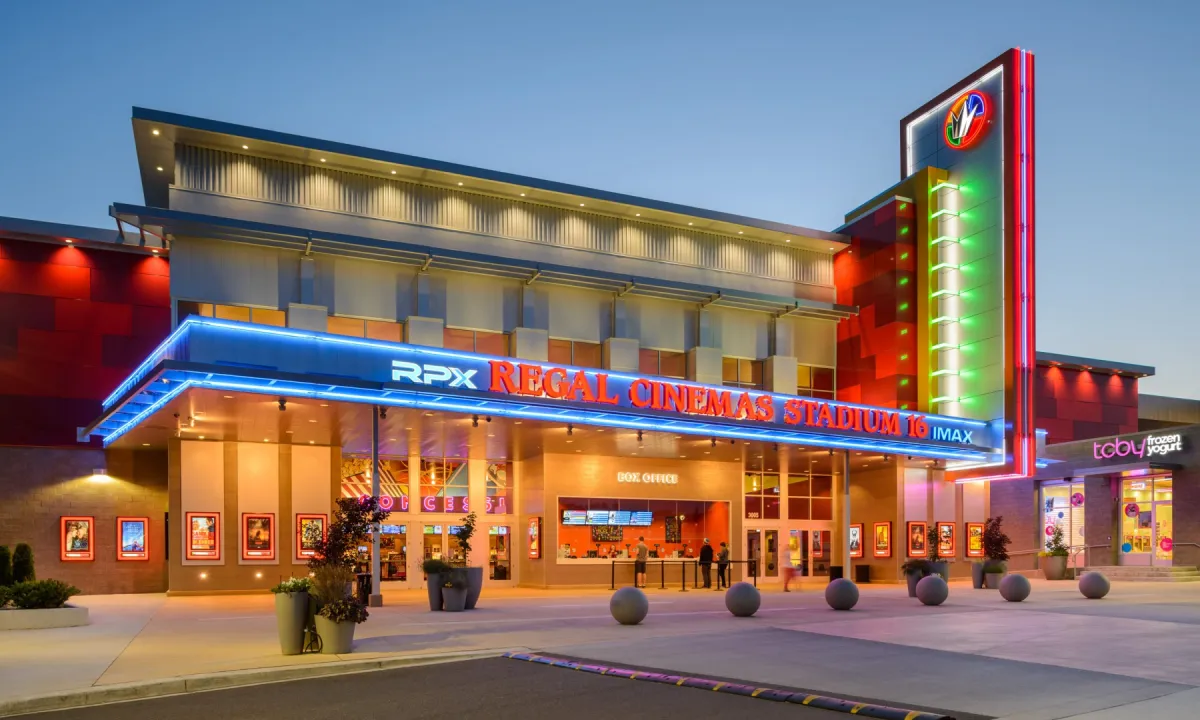 Photo: Regal Theater, via www.robcon.com
It was 1932, and the Regal was the crown jewel of Chicago's South Side, featuring legends like Earl Hines, Fats Waller, and Art Tatum. But for a poor Black girl from the West Side, it might as well have been on another planet. Tickets cost fifty cents—more than her family spent on groceries in a day.
So Donegan created her own conservatory in the shadows, learning not from teachers or textbooks, but from the greatest performers of the jazz age who never knew she existed.
The Piano She Couldn't Have
The Donegan family's apartment on Chicago's West Madison Street had no piano, no phonograph, and no money for either. Dorothy's mother, Cora, worked double shifts at a laundry to keep food on the table and rent paid. Her father had disappeared when Dorothy was six, leaving behind only a collection of sheet music he'd never learned to read.
But three blocks away, Union Baptist Church had an old upright piano in the basement, and the church ladies needed someone to dust it every week. Dorothy volunteered for the job, then convinced the pastor to let her "test the keys" to make sure they were working properly.
What started as five-minute tune-ups became hours-long sessions where Dorothy taught herself to play by ear, translating the melodies she'd memorized at the Regal into her own arrangements. She had no formal training, no understanding of music theory, no sheet music to guide her. She had only her memory and an intuitive sense of what sounded right.
That limitation became her liberation.
The Style Nobody Could Name
Without the constraints of formal training, Donegan developed a playing style that defied every convention of 1930s jazz. She mixed classical runs with blues rhythms, incorporated elements of gospel and ragtime, and played with a speed and complexity that left professional musicians speechless.
More importantly, she played with an emotional intensity that came from somewhere deeper than technique. Every note carried the weight of someone who had fought for the right to make music at all.
"She played like her life depended on it," remembered bassist Ray Brown, who worked with Donegan in the 1940s. "Not like she was trying to impress anybody, but like the music was the only thing keeping her alive."
By her teens, Donegan was sneaking into South Side clubs and sitting in with professional bands. Musicians twice her age would stop mid-song to stare at this skinny kid who played piano like she'd invented it herself.
The Breakthrough That Almost Wasn't
In 1942, at age 19, Donegan auditioned for a spot in Earl Hines' orchestra—the same Earl Hines she'd watched secretly from beneath the Regal Theater stage a decade earlier. Hines was impressed by her technical skill but concerned about her unconventional style.
"She doesn't play like anybody else," he told his manager. "I'm not sure that's good or bad."
Hines hired her anyway, making Donegan one of the first female pianists to tour with a major jazz orchestra. But the arrangement lasted only six months. Donegan's playing was too unpredictable, too emotional, too different from what audiences expected from a big band pianist.
"They wanted me to play the arrangements exactly as written," Donegan recalled years later. "But I'd never learned to read music properly. I could only play what I felt, and what I felt was never the same twice."
Creating a Genre by Accident
After leaving Hines' orchestra, Donegan returned to Chicago and began developing what would become her signature style: a fusion of jazz, classical, blues, and gospel that she called "jazz waltz" but that critics struggled to categorize.
She incorporated techniques that formally trained pianists had been taught never to use: playing melody with her left hand while improvising harmony with her right, switching time signatures mid-song, quoting classical compositions in the middle of blues progressions.
"Dorothy played like she was having a conversation with the piano," explained jazz historian Dan Morgenstern. "Sometimes they agreed, sometimes they argued, but it was always fascinating to listen to."
Record executives didn't know what to do with her. Her music was too complex for popular audiences but too emotional for jazz purists. She was too classical for blues clubs but too bluesy for concert halls.
So Donegan created her own category, performing in venues that ranged from Carnegie Hall to neighborhood bars, building an audience of people who didn't care about musical categories—they just knew they'd never heard anything like it before.
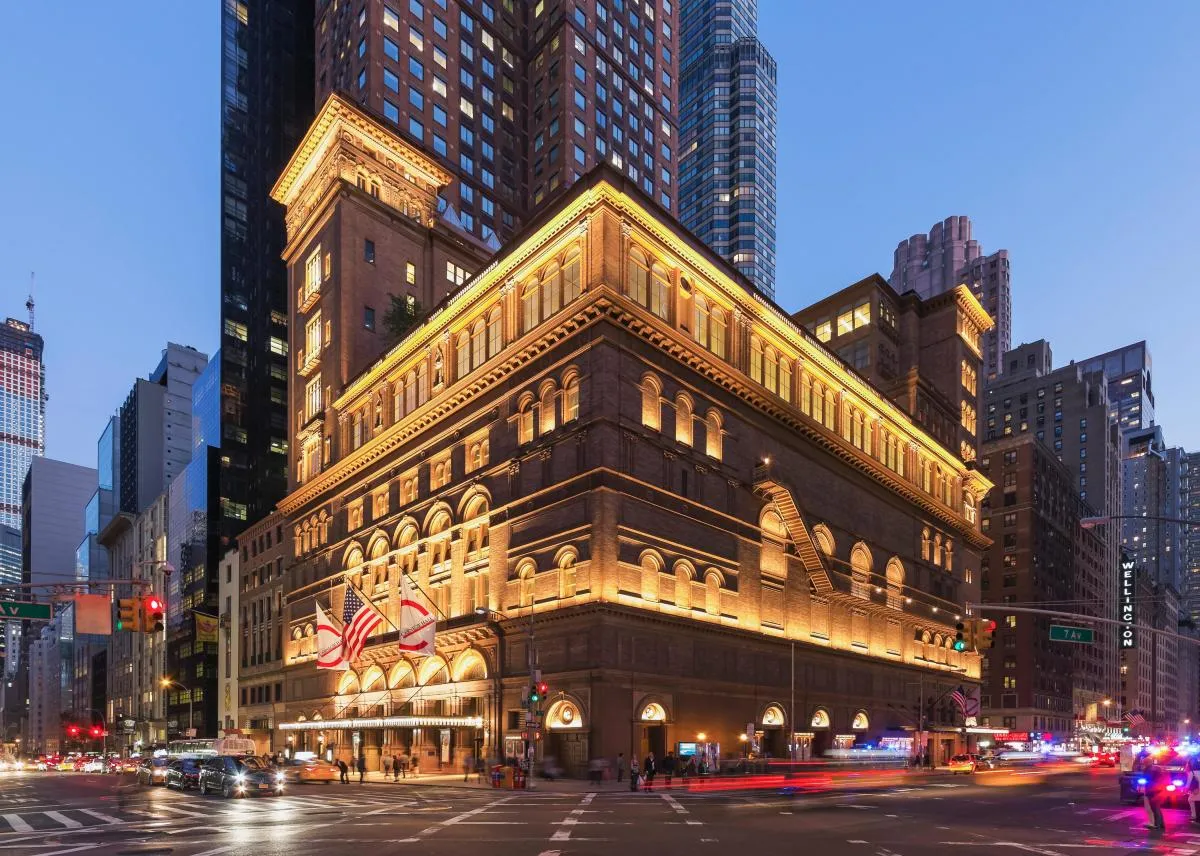 Photo: Carnegie Hall, via assets.simpleviewinc.com
The Recognition That Came Too Late
For decades, Donegan remained a musician's musician, revered by her peers but largely unknown to mainstream audiences. She recorded sporadically, toured constantly, and influenced a generation of pianists who tried unsuccessfully to replicate her style.
"You can't teach what Dorothy did," explained pianist Ahmad Jamal, who studied Donegan's technique for years. "It came from a place that formal training can't reach. It came from necessity."
It wasn't until the 1980s that music scholars began to recognize Donegan's contributions to American jazz. By then, she was in her sixties, still performing but largely forgotten by a music industry that had moved on to newer sounds and younger performers.
The Lesson in the Music
Dorothy Donegan died in 1998, having spent seven decades proving that some of the most important innovations come not from abundance but from scarcity. Her inability to afford formal training forced her to develop an ear that most conservatory graduates never acquire. Her exclusion from mainstream venues led her to create music that transcended traditional boundaries.
"I never set out to be different," she reflected in one of her final interviews. "I just played the only way I knew how. If that was revolutionary, it was because I didn't know it wasn't supposed to be possible."
Today, musicologists recognize Donegan as a pioneer who helped bridge the gap between jazz's traditional roots and its experimental future. Her recordings are studied in conservatories, her techniques are analyzed in doctoral dissertations, and her influence can be heard in the work of contemporary artists who may not even know her name.
But perhaps the most important thing about Dorothy Donegan's story isn't the music she created—it's the reminder that sometimes the most powerful innovations come from people who have no choice but to improvise, who transform limitations into liberation, and who prove that the most revolutionary art often emerges from the places society never thinks to look.
In a world that increasingly values formal credentials over raw talent, Dorothy Donegan's legacy stands as a testament to the power of necessity, the beauty of self-invention, and the extraordinary music that can emerge when someone has nothing to lose and everything to prove.