The Women Nobody Counted
In 1934, while agricultural scientists were celebrating the efficiency of hybrid crops, a woman named Cora Belle Williams was doing something that seemed backward to everyone around her. In her small garden outside Beckley, West Virginia, she was carefully saving seeds from vegetables that most farmers were abandoning—varieties that didn't ship well, didn't look uniform, and didn't fit the new industrial model of agriculture.
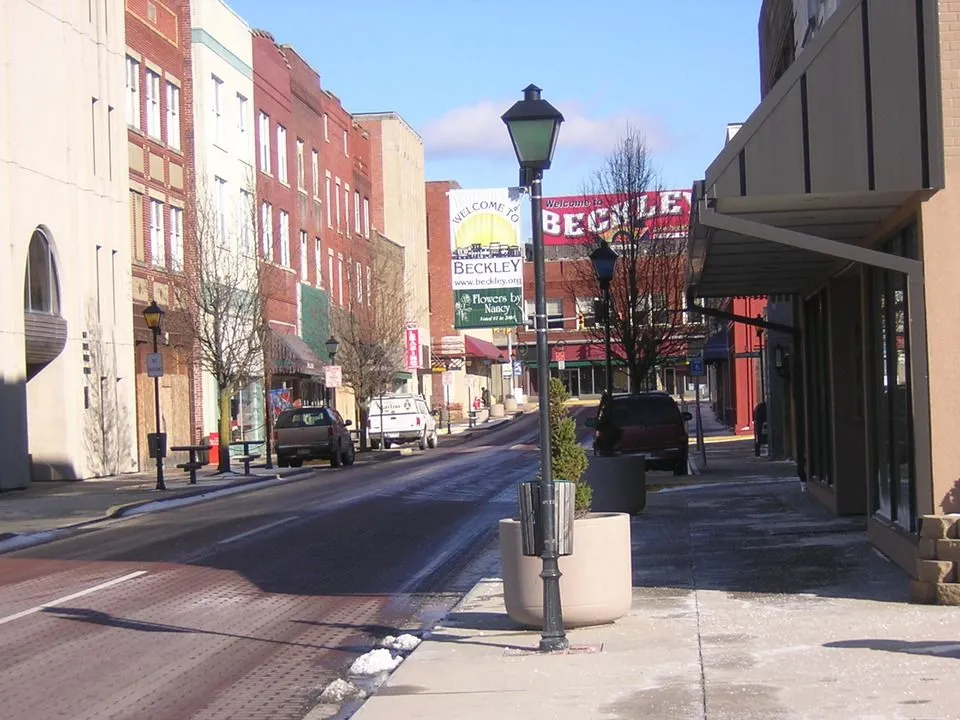 Photo: Beckley, West Virginia, via i.pinimg.com
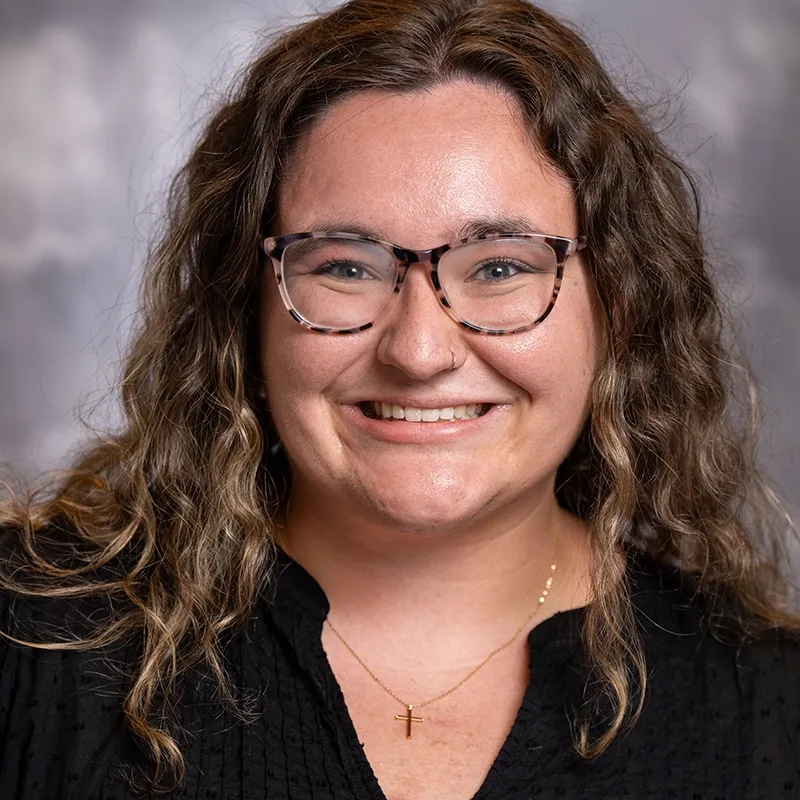 Photo: Cora Belle Williams, via www.belmont.edu
Williams wasn't a scientist. She was a coal miner's wife with a sixth-grade education who had learned seed-saving from her mother, who had learned it from hers. What she was doing seemed like stubborn nostalgia to her neighbors, who were embracing the promise of modern farming. But Williams and thousands of women like her were actually conducting one of the most important scientific experiments in American history.
They just didn't know it yet.
The Quiet Revolution in Backyard Gardens
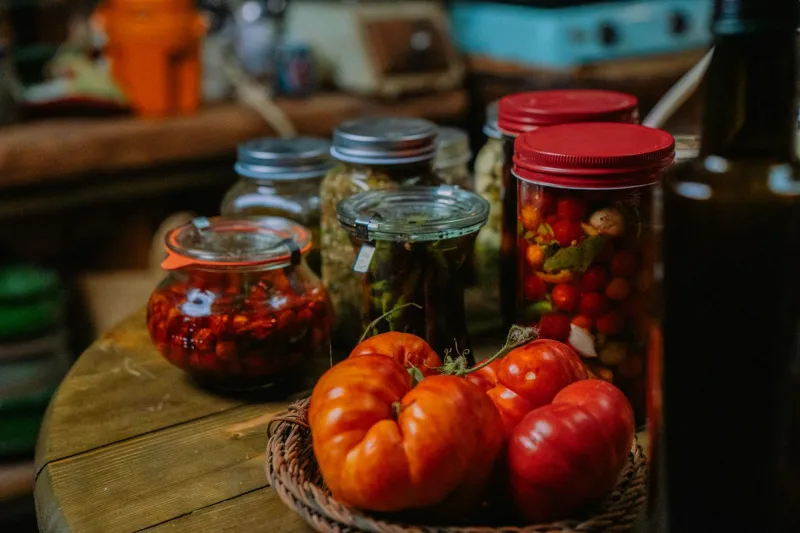
Across rural America during the 1930s and 1940s, women like Williams were maintaining what amounted to a distributed seed bank. They saved tomatoes that tasted better than anything you could buy, beans that grew in poor soil, and corn varieties that had been feeding their families for generations.
These weren't organized efforts coordinated by universities or government agencies. They were individual acts of practical stubbornness, carried out by women who had learned that you couldn't always depend on stores or catalogs to have what you needed. During the Depression, when money was scarce and food security uncertain, saving your own seeds wasn't just economical—it was survival.
The seeds they saved told stories. Cherokee Purple tomatoes carried the genetics of varieties developed by Native American farmers. Mortgage Lifter tomatoes got their name because their creator, a radiator repairman named Charlie Byles, paid off his house by selling plants from his hybrid. Moon and Stars watermelons bore the names their appearance inspired, varieties that had been passed down through families for decades.
What the Experts Missed
While these women were preserving genetic diversity in their gardens, the agricultural establishment was moving in the opposite direction. Hybrid varieties promised higher yields and greater uniformity, but they came with a hidden cost: the seeds they produced wouldn't breed true, forcing farmers to buy new seeds each season rather than saving their own.
The shift toward industrial agriculture meant that thousands of traditional varieties were disappearing from commercial catalogs. Seed companies focused on varieties that could be machine-harvested, shipped long distances, and stored for weeks. Taste, nutritional content, and genetic diversity became secondary considerations.
Agricultural scientists of the era weren't necessarily wrong about the benefits of hybridization and standardization. These techniques did increase yields and make farming more efficient. But they were so focused on solving immediate problems that they didn't see what was being lost in the process.
The Network That Wasn't
What's remarkable about the women who preserved these varieties is that they weren't working together in any formal sense. There was no organization, no funding, no scientific protocol. Yet somehow, across thousands of individual gardens, they maintained a genetic library that would prove invaluable decades later.
They shared seeds through informal networks—church groups, family connections, neighbors helping neighbors. A woman in Kentucky might trade bean seeds with her sister in Tennessee, who might share them with a friend in Georgia. These casual exchanges created a web of genetic preservation that no institution could have organized.
Many of these women kept detailed records in their own way—not in scientific journals, but in family letters, recipe books, and oral traditions. They knew which varieties performed best in drought years, which ones resisted specific pests, and which ones produced the tastiest results. This knowledge, accumulated over decades of careful observation, was as valuable as any research conducted in university test plots.
The Reckoning
By the 1970s, scientists began to realize what had been lost. Studies showed that commercial agriculture had abandoned thousands of crop varieties in favor of a handful of high-yielding hybrids. The genetic diversity that had sustained American agriculture for centuries was disappearing.
When researchers went looking for these lost varieties, they often found them in the most unlikely places: elderly women's gardens in rural communities that the agricultural establishment had written off as backward. Seeds that had disappeared from commercial catalogs were still being grown by women who had never stopped believing they were worth preserving.
Dr. Gary Nabhan, an ethnobotanist who spent years documenting these informal seed-saving networks, discovered that many of the varieties preserved by rural women contained genetic traits that could help address modern agricultural challenges. Drought resistance, pest tolerance, and nutritional content that had been bred out of commercial varieties were still present in the seeds these women had stubbornly refused to abandon.
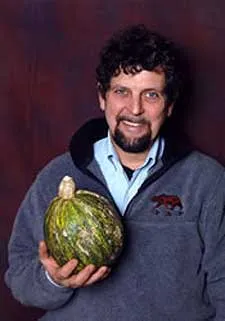 Photo: Dr. Gary Nabhan, via news.nau.edu
The Science in the Stubbornness
What these women were doing, without formal training or institutional support, was practicing conservation genetics. They were maintaining genetic diversity through careful selection and preservation, using techniques that scientists would later recognize as sophisticated approaches to biodiversity conservation.
Their methods weren't random or sentimental. They selected seeds from the best-performing plants, maintained careful isolation between varieties to prevent cross-contamination, and developed storage techniques that kept seeds viable for years. They were conducting long-term experiments in adaptation and resilience, testing how different varieties performed under changing conditions.
The knowledge they accumulated—which varieties worked best in specific microclimates, which ones had the best flavor or nutritional content, which ones could survive difficult growing conditions—represented decades of empirical research. They were building databases of agricultural knowledge that no university had thought to collect.
The Legacy of Forgotten Expertise
Today, many of the varieties preserved by these women form the foundation of the modern heirloom seed movement. Companies like Seed Savers Exchange and Southern Exposure Seed Exchange trace many of their offerings back to seeds preserved by rural women who never considered themselves conservationists.
The genetic diversity these women maintained is now recognized as crucial for addressing climate change, developing pest resistance, and improving nutritional content in our food supply. Scientists working on these challenges often find that the solutions they need already exist in varieties that were preserved not in gene banks or research institutions, but in the gardens of women who simply refused to let go of something good.
Their story challenges assumptions about where important scientific work happens and who qualifies as an expert. These women, working without degrees or institutional support, conducted some of the most important conservation work of the 20th century. They saved not just seeds, but the genetic future of American agriculture.
Their legacy reminds us that sometimes the most important work happens quietly, carried out by people who don't expect recognition or credit. The seeds they saved in their backyard gardens may well feed the world in ways they never imagined, proving that extraordinary conservation can grow from the most ordinary acts of care.