The Boy Behind the Wire
Hiroshi "Hershey" Miyamura was fourteen when the government came for his family. On a cold February morning in 1942, federal agents appeared at their small farm outside Gallup, New Mexico, with orders that would change everything: pack what you can carry, leave everything else behind, and report to the train station by noon.
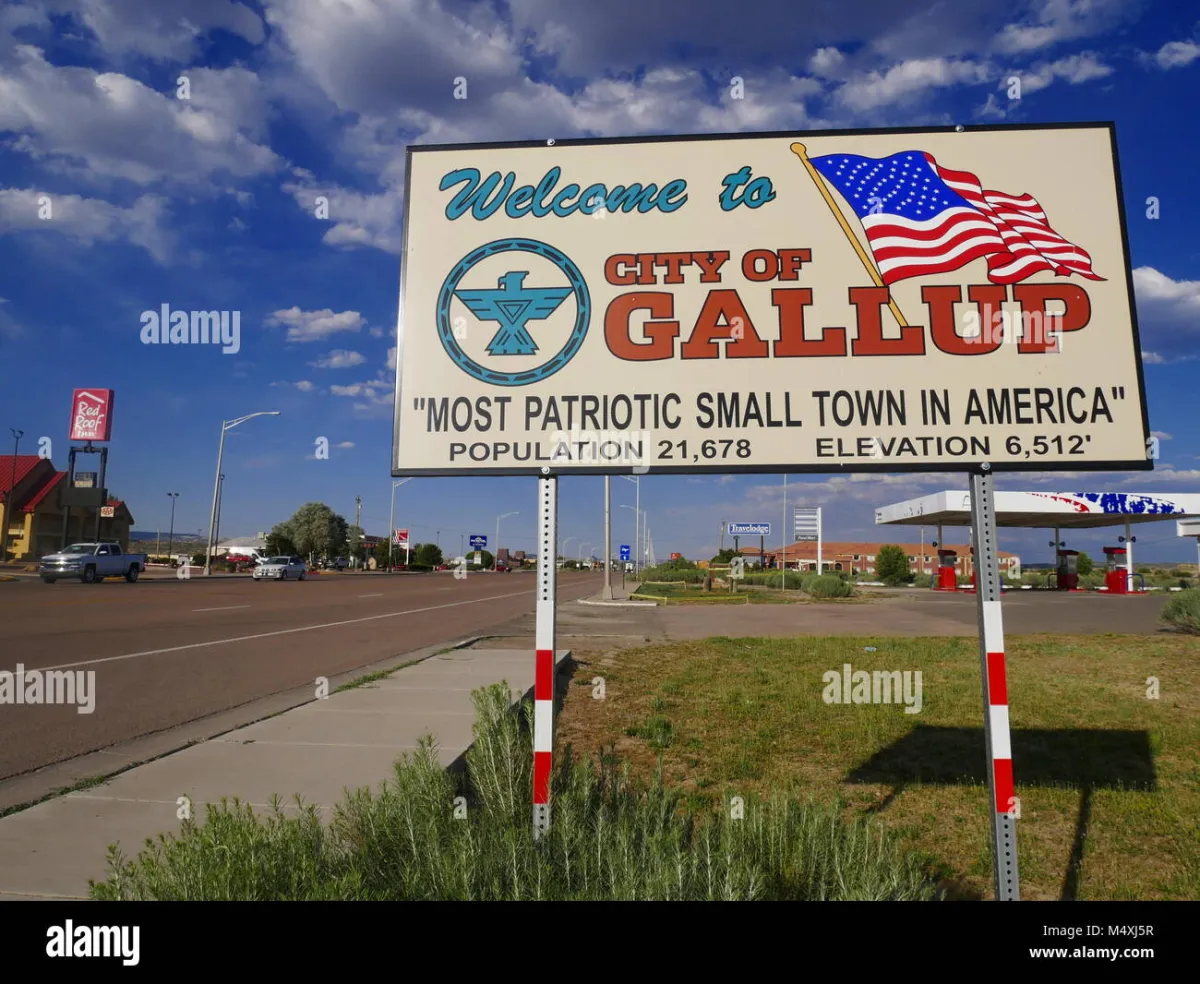 Photo: Gallup, New Mexico, via c8.alamy.com
The Miyamura family joined 120,000 other Japanese Americans in what the government euphemistically called "relocation centers"—internment camps surrounded by barbed wire and guard towers. For three years, Hershey lived in a tar paper barrack with his parents and five siblings, sleeping on cots and eating meals in mess halls under the watchful eyes of armed guards.
Most teenagers would emerge from such an experience angry, bitter, or broken. Miyamura emerged with something else entirely: an unshakeable belief that America was still worth fighting for.
The Decision That Defied Logic
In 1944, while still technically classified as an "enemy alien," eighteen-year-old Miyamura made a choice that baffled his friends and worried his family: he volunteered for the U.S. Army.
"People thought I was crazy," he recalled decades later. "Here was a country that had locked up my family, taken our farm, treated us like criminals. And I wanted to serve in their military?"
But Miyamura saw something his critics missed. The same Constitution that had failed to protect his family also contained the promise that it could do better. The same democracy that had imprisoned him without trial also had the capacity to correct its mistakes. He wasn't fighting for the America that existed—he was fighting for the America that could exist.
The war ended before Miyamura saw combat, but his service record impressed his commanders. When the Korean War began in 1950, Sergeant Miyamura was among the first to deploy, leading a machine gun squad in the 3rd Infantry Division.
The Night That Changed Everything
April 24, 1951, started like any other day on Hill 581 near Taejon-ni. Miyamura's squad was dug in on a ridge overlooking a strategic valley, part of a defensive line that had held for weeks against Chinese and North Korean forces.
Then, at 11 PM, everything changed.
Waves of enemy soldiers—later estimated at over 1,000—launched a coordinated assault on the American positions. Within minutes, Miyamura's squad was surrounded and vastly outnumbered. Radio contact was lost. Ammunition was running low. The logical choice was retreat.
Miyamura made a different choice.
Eighteen Hours of Hell
What happened next would later be classified by the U.S. military for nearly two years, not because it was shameful, but because it was so extraordinary that releasing the details might compromise ongoing operations.
For eighteen hours, Miyamura single-handedly held his position against overwhelming odds. When his machine gun overheated and jammed, he switched to his rifle. When his rifle ammunition ran out, he used grenades. When the grenades were gone, he fought with his bayonet and bare hands.
Witnesses later testified that Miyamura killed more than 50 enemy soldiers and wounded dozens more. He reorganized scattered American units, directed medical aid to wounded soldiers, and repeatedly exposed himself to enemy fire to maintain the defensive line.
When dawn finally broke, the assault had been repelled. The strategic ridge remained in American hands. And Hiroshi Miyamura was nowhere to be found.
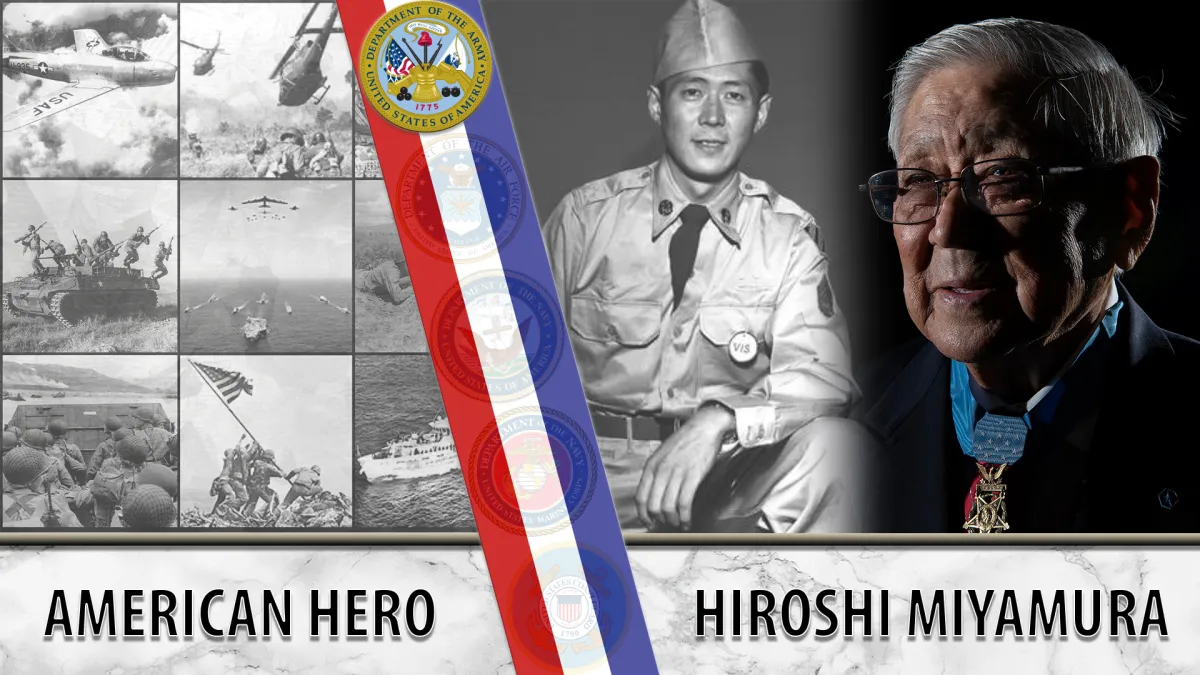 Photo: Hiroshi Miyamura, via news.va.gov
The Hero Nobody Could Talk About
Miyamura had been captured during the final moments of the battle, wounded and unconscious. For the next 28 months, he was a prisoner of war in North Korea, enduring torture, starvation, and psychological warfare designed to break American soldiers.
Back home, his family received the standard notification: missing in action, presumed dead. What they didn't know was that military investigators were already documenting Miyamura's actions on Hill 581, building a case for the nation's highest military honor.
But there was a problem. If the military announced that Miyamura had been recommended for the Medal of Honor, and if the enemy discovered he was still alive in their prison camps, he would likely be executed as a high-value target.
So the United States made an unprecedented decision: Miyamura would receive the Medal of Honor in secret. The award would remain classified until he was either confirmed dead or returned safely home.
Coming Home to Silence
In August 1953, Miyamura was among the American POWs released in prisoner exchanges following the Korean armistice. He returned to the United States weighing 90 pounds, having survived two and a half years of captivity through sheer willpower and the hope of seeing his family again.
Only then did he learn that he was a Medal of Honor recipient—and had been for nearly two years.
The formal ceremony at the White House should have been a moment of national celebration. Instead, it was a quiet affair attended by President Eisenhower, military officials, and Miyamura's immediate family. The Korean War was already being called the "Forgotten War," and its heroes were fading from public memory even before they came home.
The Long Wait for Recognition
For decades, Miyamura's story remained largely unknown outside military circles. He returned to New Mexico, married his high school sweetheart, and ran a gas station in his hometown of Gallup. When customers asked about the small Medal of Honor display behind the counter, he would change the subject.
"I never felt comfortable talking about it," he explained years later. "A lot of good men died over there. I just happened to be the one who made it home."
It wasn't until the 1980s and 1990s that historians and journalists began documenting the stories of Japanese American veterans who had served despite internment. Slowly, Miyamura's extraordinary courage began to receive the recognition it deserved.
The Measure of a Hero
Today, at 97 years old, Hiroshi Miyamura remains one of only 73 living Medal of Honor recipients. His story has been featured in documentaries, books, and museum exhibits celebrating Japanese American military service.
But perhaps the most remarkable thing about Miyamura isn't what he did on Hill 581—extraordinary as that was. It's what he chose to believe about America even when America had given him every reason to believe otherwise.
"I never served for the government that put my family in camps," he reflected in a recent interview. "I served for the idea that America could be better than its worst moments. That's what I was fighting for on that hill in Korea—not the country that was, but the country that could be."
In a time when heroism is often measured in social media followers and television appearances, Hiroshi Miyamura represents something different: the quiet courage of someone who served not for recognition, but for the simple belief that some things are worth defending, even when the world isn't watching.
His story reminds us that America's greatest heroes often come from its most unlikely places—and that sometimes the most powerful act of patriotism is choosing to believe in your country's promise even when that country has broken its promises to you.