The Janitor Who Rewrote Medicine: How Mary Mahoney Turned Mops and Buckets Into the Foundation of Modern Nursing
The Woman Who Cleaned Her Way to Knowledge
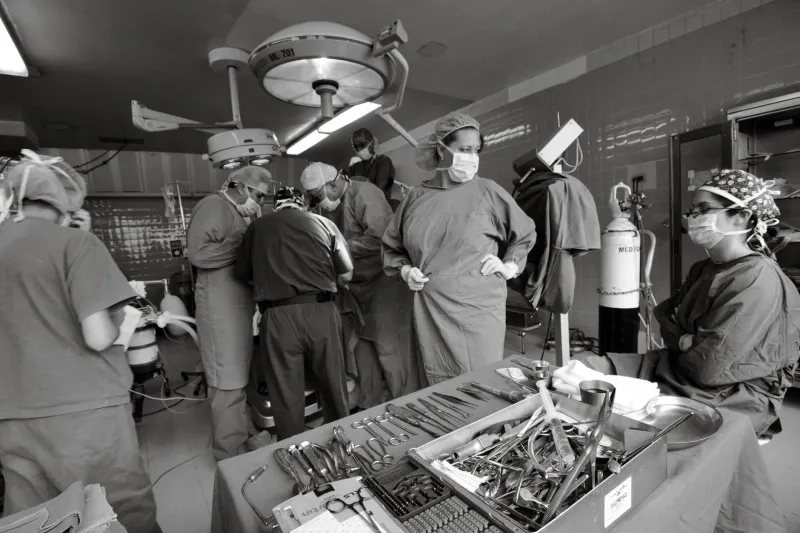
In 1878, Mary Eliza Mahoney walked through the doors of Boston's New England Hospital for Women and Children carrying a mop bucket and a secret ambition that would have seemed impossible to anyone watching her scrub floors. At thirty-three, she was already considered too old to start over. As a Black woman in post-Civil War America, she was definitely considered too wrong to heal anyone.
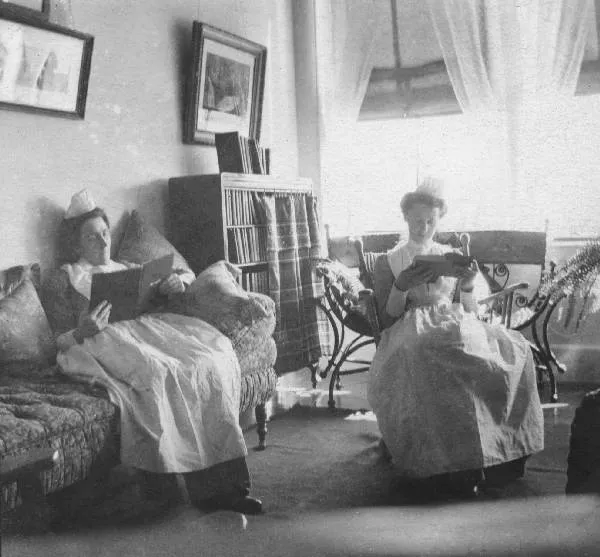 Photo: New England Hospital for Women and Children, via images.squarespace-cdn.com
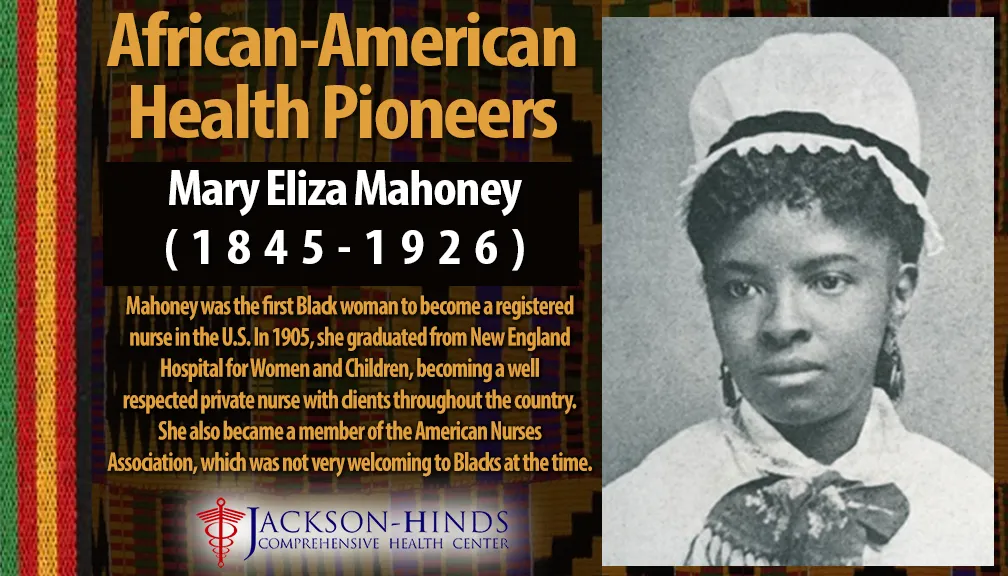 Photo: Mary Eliza Mahoney, via static.wixstatic.com
But Mahoney had a plan that was both simple and revolutionary: she would learn everything there was to know about nursing by watching, listening, and getting closer to medicine than any classroom could take her.
For years, she mopped the wards, washed the dishes, and cleaned the operating rooms. But while her hands were busy with menial work, her mind was cataloging everything she observed — how the doctors treated different conditions, which interventions actually worked, what separated the nurses who helped patients heal from those who simply followed orders.
The Hospital That Almost Changed Its Mind
The New England Hospital was unusual for its time. Founded by Dr. Marie Zakrzewska, it was one of the few institutions in America that trained women as doctors and nurses. But progressive didn't mean colorblind. When Mahoney first applied to their nursing program, the response was swift and predictable: no.
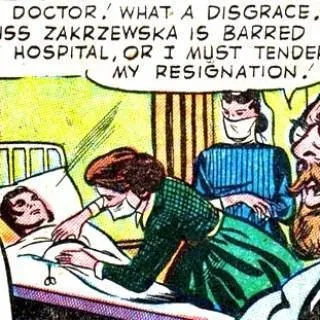 Photo: Dr. Marie Zakrzewska, via alchetron.com
So Mahoney took the only job they would give her — cleaning woman — and turned it into an unofficial medical education. She arrived early, stayed late, and made herself indispensable to the staff who gradually forgot to notice the color of her skin when they needed someone reliable.
Year after year, Mahoney reapplied to the nursing program. Year after year, she was rejected. But something was changing in how the hospital staff talked about her. The doctors began asking her opinion about patient care. The head nurses started relying on her observations. The woman who wasn't qualified to be a student had become someone they couldn't imagine working without.
The Breakthrough That Almost Didn't Happen
In 1878, after sixteen years of watching Mahoney work, the hospital finally admitted what everyone already knew: she understood nursing better than most of their graduates. They offered her a spot in their program, making her one of only four students accepted that year.
The training was brutal by design. Sixteen-hour days, constant examinations, and the kind of physical demands that were meant to weed out anyone who wasn't absolutely committed. Of the four students who started with Mahoney, only she finished.
When Mary Mahoney graduated in 1879, she became America's first professionally trained Black nurse. But the real breakthrough wasn't just personal — it was philosophical. Mahoney had proven that excellence could come from anywhere, that the most valuable medical knowledge sometimes belonged to the person everyone assumed knew the least.
The Standards That Changed Everything
Mahoney could have been content with breaking barriers, but she understood that being the first meant nothing if she was also the last. Instead of simply practicing nursing, she set about redefining what nursing could be.
She established standards that seemed revolutionary at the time but are now considered fundamental to healthcare: that nurses should be partners with doctors, not servants; that patient comfort was as important as medical intervention; that healthcare should be accessible regardless of a patient's ability to pay.
Mahoney worked primarily with families that other nurses wouldn't serve — immigrants who spoke little English, Black families who couldn't afford white doctors, women whose conditions were considered too delicate for male physicians. She developed techniques for communicating across language barriers, for providing care in homes that lacked basic medical supplies, for training family members to continue treatment when professional help wasn't available.
The Network That Built a Profession
By the 1890s, Mahoney had trained dozens of other Black women as nurses, creating an informal network that provided healthcare to communities that the formal medical establishment ignored. But she understood that informal networks weren't enough to create lasting change.
In 1896, Mahoney helped found the National Association of Colored Graduate Nurses, the first professional organization for Black healthcare workers in America. The organization set standards for training, advocated for better working conditions, and created pathways for Black nurses to advance in their careers.
More importantly, it established the principle that healthcare was a right, not a privilege, and that the medical profession had an obligation to serve everyone equally. These weren't just nice ideas — they were operating principles that guided how Mahoney's network of nurses approached their work.
The Legacy Hidden in Plain Sight
Mahoney worked as a nurse for over thirty years, but her influence on American healthcare extends far beyond her individual practice. The standards she established — cultural competency, patient advocacy, holistic care — became foundational elements of modern nursing education.
The network she built provided a model for how healthcare workers could organize to improve both their profession and their communities. The National Association of Colored Graduate Nurses eventually merged with the American Nurses Association, helping to integrate the entire profession.
Most importantly, Mahoney proved that proximity to knowledge could be its own form of education, that watching and learning could be as valuable as formal instruction, and that the people society overlooks often see things that everyone else misses.
The Revolution That Started with a Mop
When Mary Mahoney picked up that first mop bucket in 1862, she couldn't have known that she was beginning a revolution in American healthcare. But she understood something that her contemporaries missed: that the best way to change a system is to become indispensable to it first.
By the time the medical establishment was ready to acknowledge her expertise, Mahoney had already used that expertise to train a generation of nurses who would carry her principles into hospitals across the country. The woman who started as a janitor had quietly become the architect of modern nursing.
Today, when we talk about patient-centered care, cultural competency, and healthcare equity, we're discussing concepts that Mary Mahoney developed while mopping floors in a Boston hospital. She turned proximity into power, observation into expertise, and exclusion into opportunity.
Sometimes the most revolutionary thing you can do is simply refuse to accept that the door is closed forever.