Fired First, Famous Second: Five Icons Who Got Pushed Out Before They Came Back and Owned the Room

There's a specific kind of humiliation that comes with being told you're not good enough at the thing you love most. It's different from ordinary failure. It has a name attached to it — a boss, a committee, a board — and it tends to arrive at the worst possible moment, when you've already invested years of your life and a significant piece of your identity into something that has just, officially, rejected you.
For most people, that's the end of the story. But for a handful of extraordinary Americans, getting fired turned out to be the pivot point everything else swung on. Here are five of them.
1. Oprah Winfrey — Told She Was "Unfit for Television News"
Before Oprah Winfrey became the most powerful woman in American media, she was a twenty-two-year-old co-anchor at WJZ-TV in Baltimore who got demoted and eventually eased out of her position because producers decided she was too emotionally involved in her stories. She cried on camera. She got attached to the people she interviewed. She was, in the language of broadcast journalism at the time, not objective enough.
 Photo: Oprah Winfrey, via people.com
What her bosses at WJZ saw as a professional liability, audiences — once she was given a morning talk show as a soft landing — recognized as something rare and magnetic. Winfrey didn't report at people. She talked with them. She made them feel seen. By 1986, she owned her show outright. By the 1990s, she was a billionaire who had effectively invented a new genre of American television.
The thing they fired her for was the thing that made her.
2. Steve Jobs — Ousted From the Company He Built
In 1985, Apple's board of directors — with the support of CEO John Sculley, a man Jobs himself had recruited — stripped Steve Jobs of his operational responsibilities and forced him out of the company he had co-founded in a garage nine years earlier. Jobs was thirty years old. He described the experience later as devastating, like having the ground pulled out from under him.
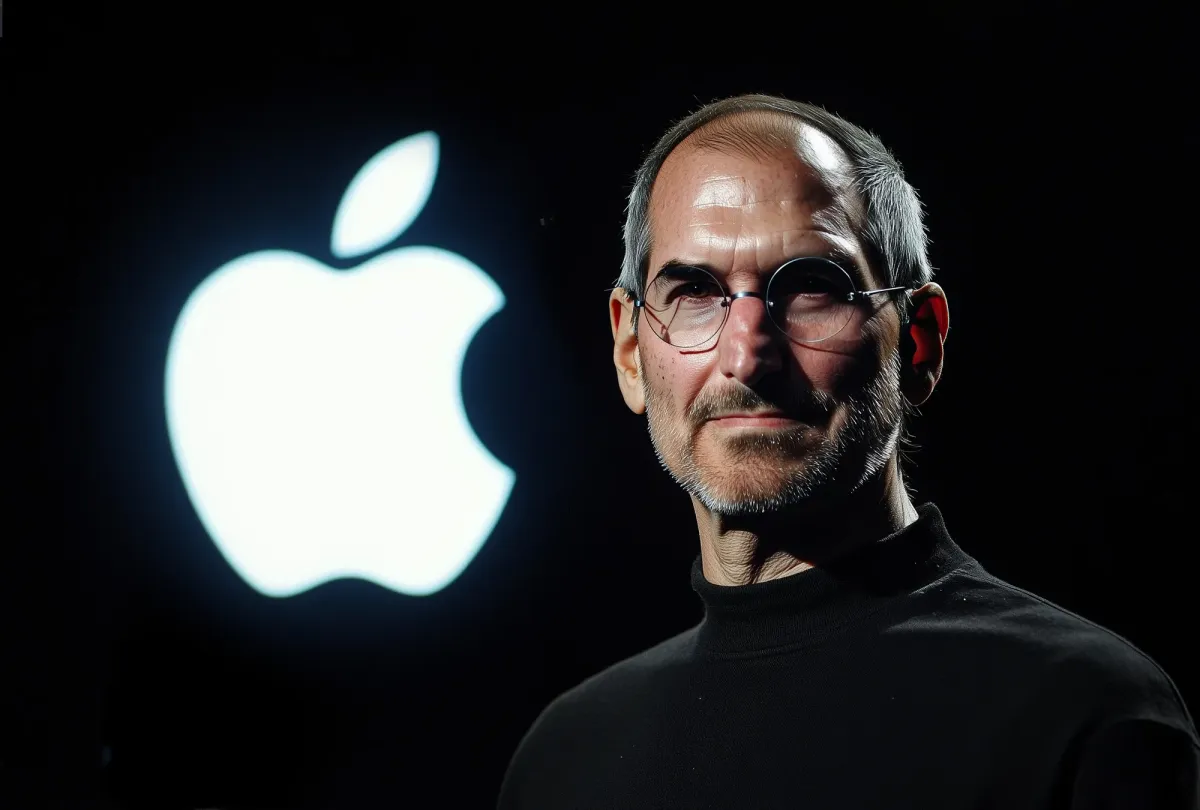 Photo: Steve Jobs, via www.altonivel.com.mx
What followed was twelve years in the wilderness. He started a new computer company called NeXT, which struggled commercially. He bought a small animation studio called Pixar, which didn't look like much at the time. He made mistakes, learned from them, and spent a decade building a quieter, more considered version of his original vision.
When Apple bought NeXT in 1997 and Jobs returned as CEO, he brought with him everything the first version of himself had lacked: patience, editorial discipline, and a hard-won understanding of what actually mattered. The iMac, iPod, iPhone, and iPad followed. The company he returned to became the most valuable corporation in American history.
The board that fired him gave him the education he couldn't have gotten any other way.
3. Walt Disney — Let Go for Lacking Creative Vision
In 1919, a young Walt Disney was fired from his job at the Kansas City Star newspaper. The editor's reason, delivered without apparent irony, was that Disney lacked imagination and had no good ideas.
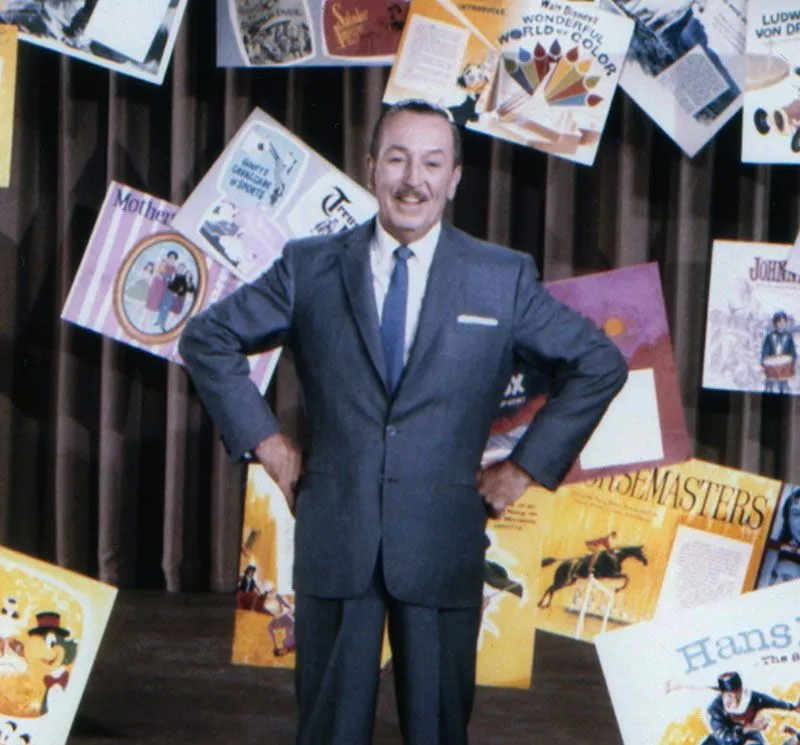 Photo: Walt Disney, via cdn.britannica.com
Disney went on to file for bankruptcy at least once before eventually finding his footing. He built a studio, lost it in a contract dispute, and rebuilt from nothing. He was turned down for financing over three hundred times before he found backing for Disneyland. Every step of the way, someone in a position of authority told him he was thinking too big, dreaming too strangely, or simply wasn't good enough.
By the time he died in 1966, Walt Disney had created the most recognizable entertainment brand in human history, won more Academy Awards than any individual before or since, and built a theme park that drew millions of visitors a year. The Kansas City Star still exists. Nobody visits it.
4. Vera Wang — Cut From the Olympic Figure Skating Team, Passed Over at Vogue
Vera Wang spent her childhood and teenage years training as a competitive figure skater, aiming for the 1968 U.S. Olympic team. She didn't make it. The rejection sent her toward fashion, where she landed at Vogue and spent sixteen years as a senior editor — talented, respected, and perpetually passed over for the editor-in-chief position she wanted.
When Vogue promoted someone else into the top role, Wang was forty years old. She left. She couldn't find a wedding dress she liked for her own upcoming marriage, so she designed one herself. That act of necessity — solving her own problem because no one else had — became the foundation of a bridal empire that redefined American wedding fashion for a generation.
Wang's designs are now worn by Olympic athletes, first ladies, and celebrities worldwide. The two fields that rejected her both ended up reflecting her taste back to the world anyway.
5. J.K. Rowling — Rejected Twelve Times Before Anyone Said Yes
Strictly speaking, Rowling wasn't fired — but she was dismissed so comprehensively and so repeatedly that the distinction barely matters. Twelve different publishing houses turned down the manuscript for Harry Potter and the Philosopher's Stone before a small London press called Bloomsbury said yes, reportedly because the chairman's eight-year-old daughter demanded he publish it after reading the first chapter.
At the time of her first rejection, Rowling was a recently divorced single mother living on government assistance in Edinburgh, Scotland, writing in cafes during her daughter's nap times because her apartment was too cold to sit still in. She was, by conventional metrics, a person with very few options and no obvious path forward.
The series she wrote went on to sell more than 600 million copies worldwide, spawn one of the most successful film franchises in history, and introduce an entirely new generation of children to the idea that books were worth caring about. The twelve publishers who said no remain, mercifully, anonymous.
What the Gap Actually Does
The easy version of these stories treats the firing as a mere speed bump — a dramatic pause before the inevitable triumph. But that reading misses the point. The gap between rejection and return is where the actual work happens. It's where Oprah learned what she was really for, where Jobs learned humility, where Disney learned persistence, where Wang learned that necessity could be its own kind of creative brief, where Rowling learned that she could survive losing almost everything.
Being fired doesn't make you great. But it does strip away the scaffolding of other people's definitions of who you are — and sometimes, in that sudden exposure, you find out what's actually holding you up.
For these five, it turned out to be something nobody could take away.