The Smell of Formaldehyde and Success
Most Silicon Valley origin stories begin in garages or dorm rooms. Hers began in the back room of Morales Family Funeral Home in Lubbock, Texas, where the smell of formaldehyde mixed with her mother's perfume and the sound of grieving families echoed through their living quarters upstairs.
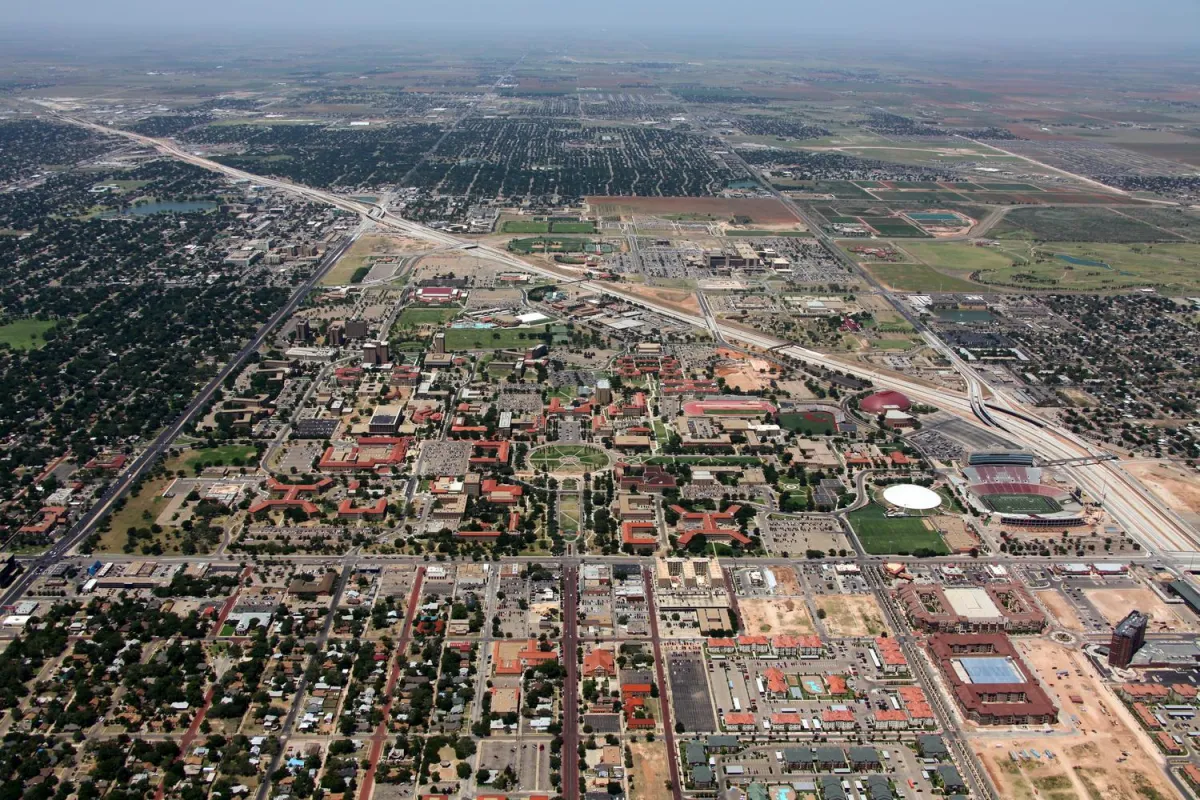 Photo: Lubbock, Texas, via images.squarespace-cdn.com
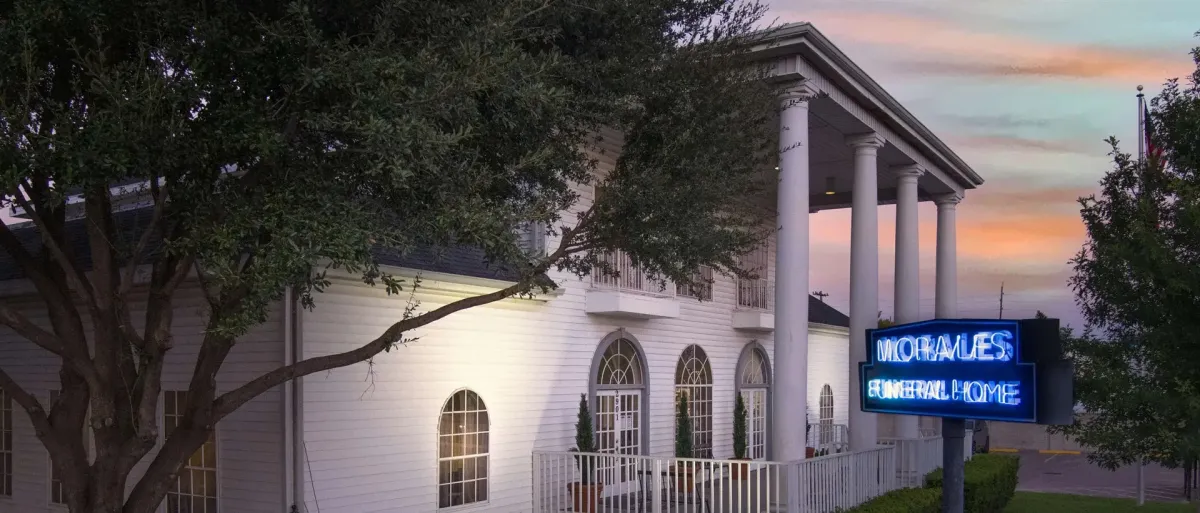 Photo: Morales Family Funeral Home, via d1q40j6jx1d8h6.cloudfront.net
While her classmates complained about chores, Maria Elena Morales was helping dress bodies for viewings and learning to speak to widows with the kind of gentle authority that most people never develop. By age twelve, she could calculate embalming fluid ratios and knew exactly how to hold someone's hand while they planned a funeral they couldn't afford.
"Death was just part of our family business," she recalls now from her corner office overlooking San Francisco Bay. "But what I didn't realize until much later was that it was teaching me everything I'd need to know about building a company that actually serves people."
 Photo: San Francisco Bay, via www.tripsavvy.com
What Stanford Couldn't Teach
Twenty-five years later, Morales would become the founder and CEO of CompassCare, a digital platform that revolutionized how families navigate end-of-life planning. But her path to Silicon Valley success looked nothing like the typical founder narrative.
There was no computer science degree from Stanford. No venture capital connections from college roommates. No trust fund to cushion the early years of entrepreneurship. Instead, there was a full scholarship to UT Austin, two jobs to pay for textbooks, and a business degree earned while sending money home to keep the funeral parlor afloat.
What she did have was something no coding bootcamp could provide: an intuitive understanding of how people behave when they're scared, overwhelmed, and facing the most difficult decisions of their lives.
"I watched my parents guide thousands of families through impossible situations," Morales explains. "They taught me that technology should make hard things easier, not more complicated. That lesson shaped everything I built later."
The Advantage Hidden in Plain Sight
When Morales finally arrived in Silicon Valley in her thirties, she discovered that her funeral home upbringing had given her something the industry desperately needed but rarely talked about: genuine empathy for user experience.
While other founders obsessed over features and funding rounds, Morales focused on the moments when technology fails people most. She understood that the difference between a good product and a great one often comes down to how it behaves when users are at their most vulnerable.
"I'd sit in pitch meetings with investors who'd never had a real conversation with someone who was dying," she remembers. "They'd ask about scalability and market penetration. I'd ask about the widow who needed to cancel her husband's accounts at 2 AM and couldn't figure out our interface because she was crying too hard to read the screen."
This perspective led CompassCare to design features that seemed obvious in retrospect but revolutionary at the time: customer service representatives trained in grief counseling, interfaces that worked for users with shaking hands, and automated systems that could detect when someone needed to speak to a human being instead of a chatbot.
Building Different
The company's breakthrough came when Morales realized that most end-of-life planning tools were built by people who'd never actually planned a funeral. They were elegant, efficient, and completely useless to families in crisis.
CompassCare took a different approach. Instead of starting with the technology, they started with the kitchen tables where real families were making impossible decisions with incomplete information and not enough time.
"We spent our first year not coding, but sitting with families in funeral homes, hospitals, and living rooms," Morales explains. "We watched how people actually behave when they're planning a funeral, not how we thought they should behave."
The insights were transformative. They learned that people needed different information at different stages of grief. That families often made decisions collectively, even when scattered across the country. That the most important feature wasn't efficiency—it was the feeling that someone understood what they were going through.
The Metrics That Matter
While other startups measured success in user acquisition and revenue growth, CompassCare tracked different numbers: how many families completed their planning process without breaking down, how often users recommended the service to friends facing similar situations, how many customer service calls ended with "thank you for understanding."
"We optimized for relief, not engagement," Morales says. "Our best product reviews weren't about features—they were about how we made people feel less alone during the worst time of their lives."
This approach attracted a different kind of investor and team member. CompassCare's board includes former hospice workers alongside traditional VCs. Their engineering team includes people who've lost parents, not just people who've shipped products.
The Lesson Nobody Teaches
Today, CompassCare serves over 200,000 families annually and has partnerships with major healthcare systems across the country. But Morales believes the real success story isn't about the company—it's about what her journey reveals about the sources of innovation.
"Silicon Valley loves the myth of the young genius who drops out of college to change the world," she reflects. "But some of the most important problems can only be solved by people who've lived with them for years. My advantage wasn't that I was smarter or more ambitious than other founders. It was that I'd spent my whole childhood watching my parents solve the hardest problem most people ever face."
The funeral director's daughter who was supposed to take over the family business instead built something bigger: a company that proved Silicon Valley's most powerful innovations often come from the places—and people—nobody expects to produce them.
In a world obsessed with disruption, Morales discovered that sometimes the most revolutionary thing you can do is simply understand what people actually need when everything else falls apart.