The Kid Who Could Copy Anything
In 1962, a seventeen-year-old from Cedar Rapids, Iowa, walked into the Metropolitan Museum of Art with a rolled canvas under his arm. He wasn't there to admire the collection. He was there to study it—not as an art lover, but as someone planning to recreate it.
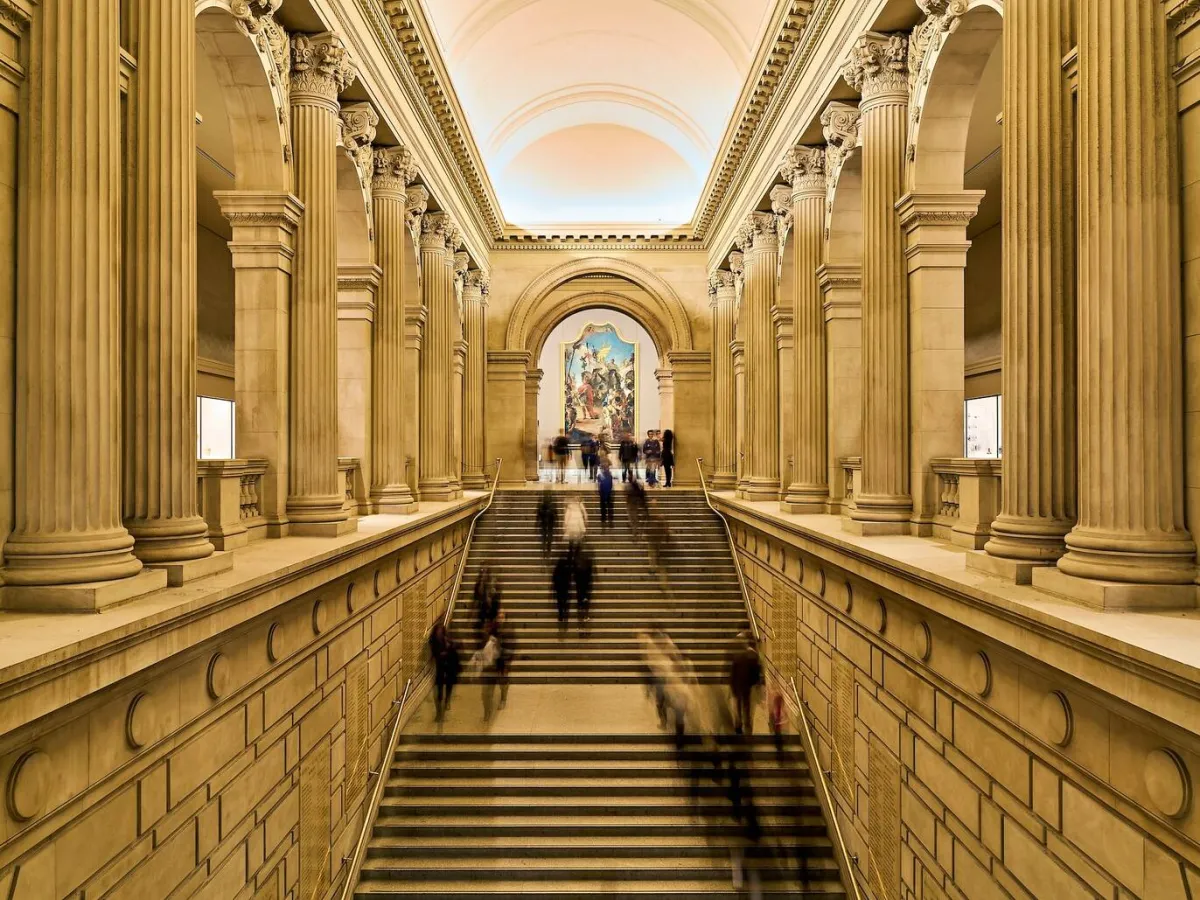 Photo: Metropolitan Museum of Art, via media.timeout.com
That teenager was Ken Perenyi, and by the time he was twenty-five, his forgeries were hanging in galleries from New York to London. Museum curators who prided themselves on their expertise were writing checks for paintings that Perenyi had created in a converted garage, using techniques he'd taught himself from library books.
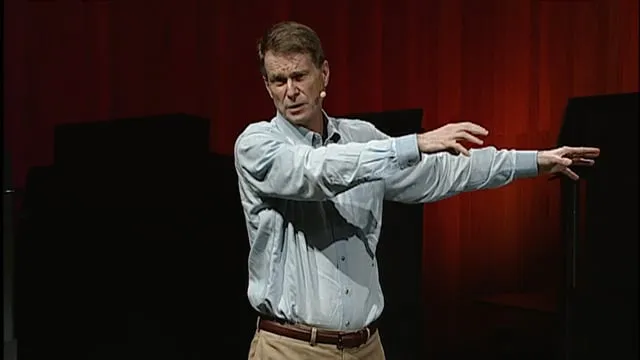 Photo: Ken Perenyi, via i.vimeocdn.com
What made Perenyi different wasn't just his skill—it was his approach. While other forgers tried to copy famous works, Perenyi created "lost" paintings by known artists. He'd research a painter's career, find gaps in their documented work, and fill those gaps with paintings that looked like they'd been sitting in someone's attic for centuries.
The Science of Deception
Perenyi's method was part art, part chemistry, part archaeology. He'd age canvases using tea and coffee, crack paint with hair dryers, and even bake paintings in ovens to simulate decades of environmental damage. He studied not just how old masters painted, but how their paintings aged.
He wasn't working from a sophisticated studio. His "laboratory" was a cluttered workspace where he mixed pigments using historical recipes and aged varnishes with cigarette smoke. The irony wasn't lost on him—he was creating more authentic-looking period pieces than many legitimate restorers.
For nearly three decades, Perenyi's fakes fooled experts at auction houses, galleries, and private collections. He estimates he created over a thousand forgeries, many of which are probably still hanging in prestigious locations, their owners none the wiser.
When the Hunter Becomes the Hunted
The FBI finally caught up with Perenyi in 1991, but not through sophisticated detective work. A disgruntled associate turned him in during an unrelated investigation. When agents raided his workshop, they found something unexpected: not just forgeries, but detailed documentation of his techniques, his research, and his methods.
What should have been evidence for prosecution became something else entirely—a masterclass in art fraud detection.
Special Agent Robert Wittman, who would later found the FBI's Art Crime Team, realized they were looking at the most comprehensive guide to art forgery ever assembled. Perenyi hadn't just been creating fakes; he'd been documenting every technique used by forgers worldwide.
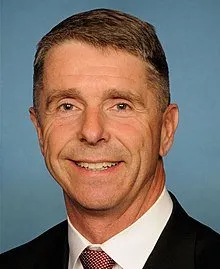 Photo: Robert Wittman, via contactrepresentatives.org
The Poacher Turned Gamekeeper
Instead of a lengthy prison sentence, Perenyi was offered a deal that would change both his life and the FBI's approach to art crime. The bureau needed someone who understood forgery from the inside—not just the techniques, but the psychology, the market, and the weaknesses in the authentication system.
Perenyi became the FBI's unofficial consultant on art fraud, teaching agents how to spot the tells that even experienced curators missed. He showed them how forgers aged paintings, how they researched their subjects, and most importantly, how they exploited the art world's reluctance to question prestigious pieces.
His first case as a consultant involved a "newly discovered" Van Gogh that was about to sell for millions. Perenyi spotted the fake immediately—not through sophisticated analysis, but by recognizing techniques he'd used himself.
Teaching the Teachers
What made Perenyi invaluable wasn't just his technical knowledge—it was his understanding of human nature. He knew that successful forgery relied as much on psychology as skill. Buyers wanted to believe they'd found something special, and forgers exploited that desire.
Perenyi began conducting seminars for museum professionals, auction house experts, and law enforcement. He'd bring examples of his own work—pieces that had fooled experts for years—and explain how he'd created them. The sessions were humbling for many attendees who realized how much they didn't know about the technical aspects of the art they'd spent their careers studying.
His teaching went beyond technique to strategy. He explained how forgers researched their targets, how they built provenance stories, and how they used the art world's own prestige against itself. A piece attributed to a famous artist was less likely to be questioned if it appeared in the right context.
The Unlikely Expert
Today, Perenyi's expertise is sought by institutions worldwide. Museums consult him before major acquisitions, and his techniques for detecting fakes have become standard practice in authentication. The man who once fooled the art world now protects it from people like his former self.
The irony runs deeper than professional redemption. Perenyi's criminal career taught him more about art history, techniques, and materials than many PhD programs. His forgeries required him to become an expert in dozens of artistic styles, historical periods, and technical processes.
His story raises uncomfortable questions about expertise and authority. The formal art world, with its credentials and institutions, was systematically fooled by a self-taught kid from Iowa. Meanwhile, that same kid's informal education in deception made him the perfect person to detect deception in others.
The Lessons of a Reformed Forger
Perenyi's transformation from criminal to consultant illustrates something profound about knowledge and second chances. His criminal expertise, born from curiosity and necessity rather than formal training, proved more valuable than traditional credentials when it came to solving the problems his crimes had highlighted.
The FBI's decision to work with Perenyi rather than simply prosecute him transformed art crime investigation. His insider knowledge helped develop detection techniques that have prevented millions in fraud and recovered countless stolen pieces.
Sometimes the people best equipped to solve a problem are the ones who created it in the first place. Perenyi's journey from forger to FBI consultant proves that expertise comes in unexpected packages, and that the most unlikely teachers often have the most important lessons to share.